
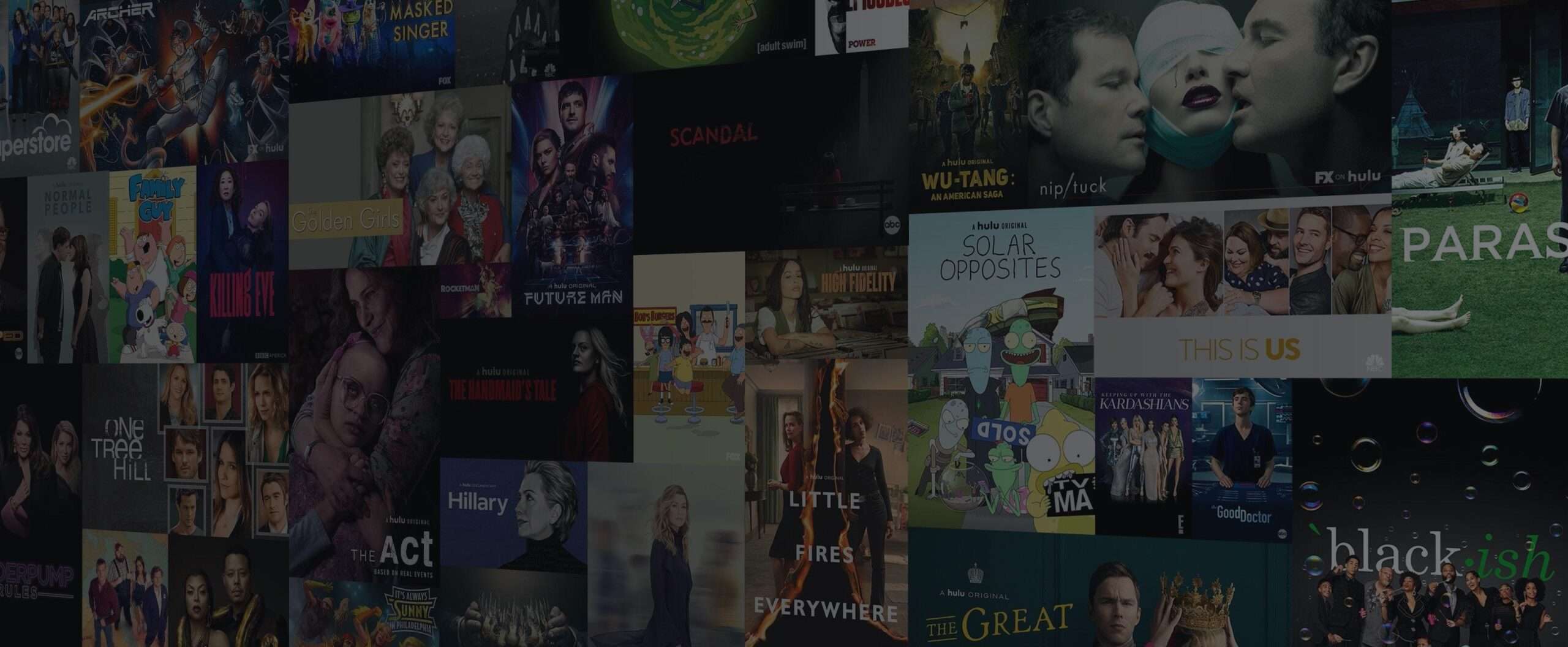
What is IPTV? Internet Protocol Television, commonly referred to as IPTV, is revolutionizing the way Canadians consume television content. Unlike traditional satellite or cable TV, IPTV streams television content over the internet, providing users with a more flexible and personalized viewing experience.
In Canada, IPTV has gained popularity due to its ability to offer a wide range of channels and on-demand content, all accessible through an internet connection. This makes it an attractive option for those looking for an alternative to traditional TV services.
To get IPTV in Canada, users typically need a stable internet connection and a compatible device, such as a smart TV or a streaming device. With the right setup, Canadians can enjoy their favorite TV shows and movies with greater flexibility and convenience.
Key Takeaways
- IPTV streams television content over the internet.
- It offers a flexible and personalized viewing experience.
- IPTV is gaining popularity in Canada due to its wide range of channels and on-demand content.
- A stable internet connection and a compatible device are required to access IPTV.
- IPTV is an attractive alternative to traditional TV services in Canada.
What is IPTV? Understanding the Technology
Internet Protocol Television, commonly referred to as IPTV, is a cutting-edge technology that delivers TV content over the internet. This method of television delivery is becoming increasingly popular due to its flexibility and potential for interactive features.
The Definition and Basic Concept of IPTV
IPTV is defined as a service that provides television programming through the internet using Internet Protocol (IP). Unlike traditional broadcast methods, IPTV allows for the delivery of content on-demand, enabling users to watch their preferred programs at any time. The basic concept revolves around using a broadband connection to deliver TV content directly to a user's device, whether it's a smart TV, computer, or mobile device.
How IPTV Differs from Traditional Cable and Satellite TV
IPTV differs significantly from traditional cable and satellite TV in its delivery method. While cable and satellite TV rely on dedicated infrastructure, IPTV uses the internet to stream content. This difference allows IPTV to offer more flexible viewing options and potentially lower costs. Additionally, IPTV can provide a more personalized viewing experience, as content is delivered based on the user's preferences.
The Evolution of IPTV Technology
The evolution of IPTV technology has been rapid, with advancements in streaming protocols and content delivery networks (CDNs) enhancing the quality and reliability of IPTV services. As internet speeds continue to improve, IPTV is becoming an increasingly viable option for consumers looking for alternatives to traditional TV services. The technology is also becoming more sophisticated, with features like time-shifting and on-demand content becoming more prevalent.
How IPTV Works: The Technical Breakdown
The technical breakdown of IPTV reveals a complex system that relies on robust infrastructure and advanced streaming protocols. To understand how IPTV works, it's essential to examine the underlying technology that enables the delivery of high-quality television content over the internet.
Infrastructure Behind IPTV Systems
IPTV systems rely on a robust infrastructure that includes high-speed internet connections, servers, and data centers. Telecommunications companies play a crucial role in providing the necessary infrastructure, including fiber-optic cables and high-capacity networks, to support IPTV services. The infrastructure is designed to handle high-bandwidth requirements, ensuring smooth and uninterrupted streaming.
Streaming Protocols and Data Transmission
Streaming protocols are critical to IPTV, as they govern how data is transmitted over the internet. Protocols such as RTSP (Real-Time Streaming Protocol) and HTTP (Hypertext Transfer Protocol) are commonly used. These protocols ensure that video content is delivered efficiently and reliably, with minimal latency and buffering.
Content Delivery Networks for IPTV
Content Delivery Networks (CDNs) are a vital component of IPTV systems, responsible for caching and distributing content across different geographic locations. By storing content closer to end-users, CDNs reduce latency and improve streaming quality. This distributed architecture is essential for handling the high demand for IPTV services, particularly during peak hours.
The Benefits and Features of IPTV Services
IPTV services have revolutionized the way Canadians consume television, offering a plethora of benefits and features that traditional TV services can't match. One of the most significant advantages of IPTV is its ability to provide users with a more flexible and personalized viewing experience.
On-Demand Content and Time-Shifting Features
IPTV services offer on-demand content, allowing users to watch their favorite shows and movies at a time that suits them. This feature is particularly useful for individuals with busy schedules or those who prefer to watch content on their own terms. Additionally, IPTV's time-shifting capabilities enable users to pause, rewind, and record live TV, giving them greater control over their viewing experience.
With IPTV, users can access a vast library of on-demand content, including TV shows, movies, and original content. This feature is especially appealing to cord-cutters who want to maintain access to their favorite shows without being tied to a traditional TV schedule.
Multi-Device Compatibility and Viewing Flexibility
Another significant benefit of IPTV is its multi-device compatibility. Users can watch IPTV on a variety of devices, including smart TVs, smartphones, tablets, and computers. This flexibility allows users to watch their favorite content anywhere, at any time, as long as they have a stable internet connection.
IPTV's viewing flexibility is particularly useful for families or households with multiple viewers. With IPTV, each user can watch their preferred content on their own device, reducing conflicts over what to watch.
Interactive Features and Personalization Options
IPTV services also offer a range of interactive features that enhance the viewing experience. These features may include interactive guides, catch-up TV, and the ability to create personalized profiles. Users can create profiles to receive tailored content recommendations based on their viewing history and preferences.
Furthermore, IPTV services often provide personalization options that allow users to customize their viewing experience. For example, users can set up parental controls to restrict access to certain content or create favorite lists to quickly access their preferred channels and shows.
IPTV vs. Traditional TV Services in Canada
As Canadians look for more flexible and cost-effective television solutions, IPTV is increasingly being compared to traditional cable and satellite TV. This comparison is crucial for understanding which service offers the best value and viewing experience.
Cost Comparison Between IPTV and Cable/Satellite
The cost is a significant factor when choosing between IPTV and traditional TV services. IPTV often provides a more flexible pricing model, allowing users to select specific channels or packages, potentially reducing monthly bills. In contrast, traditional cable and satellite providers typically offer bundled packages, which can include channels that viewers never watch.
IPTV services can be more cost-effective, especially for those with specific viewing preferences. However, the cost savings depend on the IPTV provider and the quality of their service.
Content Availability and Channel Selection
Content availability and channel selection vary significantly between IPTV and traditional TV services. IPTV providers often offer a wide range of channels and on-demand content, sometimes surpassing what's available through traditional services. However, the availability of certain channels can depend on the IPTV provider's agreements with content providers.
User Experience and Interface Differences
The user experience is another critical aspect where IPTV and traditional TV services differ. IPTV typically offers a more modern and interactive interface, allowing for easier navigation and more personalized viewing options. Traditional TV services, while improving, often have more cluttered interfaces and less flexibility in terms of on-demand viewing.
IPTV's interactive features, such as the ability to pause live TV and access a wide range of on-demand content, enhance the viewing experience. However, the quality of this experience can depend on the user's internet connection and the IPTV provider's infrastructure.
Legal Considerations for IPTV in Canada
IPTV services in Canada operate within a framework of broadcasting regulations and copyright laws. As the popularity of IPTV continues to grow, understanding these legal considerations becomes increasingly important for both consumers and service providers.
Canadian Broadcasting Regulations and IPTV
Canadian broadcasting regulations play a crucial role in shaping the IPTV landscape. The Canadian Radio-television and Telecommunications Commission (CRTC) is the primary regulatory body overseeing broadcasting and telecommunications in Canada. IPTV services must comply with CRTC regulations, which include requirements for Canadian content, licensing, and accessibility.
Key Regulations Include:
- Licensing requirements for IPTV service providers
- Mandatory carriage of Canadian channels
- Exhibition of Canadian content
Copyright Issues and Piracy Concerns
Copyright issues and piracy concerns are significant challenges facing the IPTV industry in Canada. Unauthorized streaming of copyrighted content is a major issue, with potential legal consequences for both IPTV service providers and users.
Piracy Concerns:
| Issue | Description | Potential Consequences |
|---|---|---|
| Unauthorized Streaming | Streaming copyrighted content without permission | Fines, service termination |
| Content Theft | Theft of copyrighted material for redistribution | Legal action, financial penalties |
Understanding Legal vs. Illegal IPTV Services
Distinguishing between legal and illegal IPTV services is crucial for consumers. Legal IPTV services obtain necessary licenses and comply with Canadian broadcasting regulations, while illegal services often engage in copyright infringement and other unlawful activities.
When choosing an IPTV service, Canadian consumers should look for providers that are transparent about their licensing and compliance with Canadian laws. By doing so, users can enjoy IPTV services while minimizing legal risks.
Legal IPTV Providers in Canada
Canada is home to a diverse range of IPTV providers, catering to different viewer needs. These providers offer a variety of services, from traditional TV packages to on-demand content and streaming services.
Major Telecommunications Companies
Major telecommunications companies such as Bell, Rogers, and Telus play a significant role in the Canadian IPTV market. They offer comprehensive IPTV services, including on-demand content, HD channels, and multi-device viewing capabilities. For instance, Bell's Fibe TV and Rogers' Ignite TV are popular choices among Canadians, offering a wide range of channels and interactive features.
Streaming Services and OTT Platforms Available in Canada
In addition to traditional telecommunications companies, streaming services and OTT (Over-The-Top) platforms are gaining popularity in Canada. Services like Netflix, Amazon Prime Video, and Crave offer a vast library of on-demand content, appealing to viewers looking for flexibility and personalized viewing experiences. These platforms are accessible through various devices, including smart TVs, smartphones, and tablets.
Comparing IPTV Service Plans and Pricing
When choosing an IPTV provider in Canada, it's essential to compare the available plans and pricing. Different providers offer various packages, with prices varying based on channel selection, data limits, and additional features. For example, some providers may offer discounts for bundling services or promotions for new customers. It's crucial to assess your viewing habits and budget to select the most suitable IPTV service. For a ready-made option, OBO TV offers 70,000+ channels in 4K from $10/month with no contract.
By understanding the offerings of major telecommunications companies, streaming services, and OTT platforms, Canadians can make informed decisions about their IPTV choices, ensuring they get the best value for their money.
Equipment and Setup Requirements for IPTV
IPTV setup involves more than just subscribing to a service; it requires specific hardware and internet bandwidth. To ensure a seamless viewing experience, Canadian users must meet certain technical requirements.
Internet Requirements and Bandwidth Considerations
A stable and fast internet connection is crucial for IPTV. The recommended bandwidth depends on the quality of the stream: for standard definition (SD), a minimum of 3 Mbps is required, while high definition (HD) requires at least 5 Mbps, and 4K content demands a robust 25 Mbps. Ensuring your internet plan meets these requirements is essential to avoid buffering and streaming issues.
IPTV Boxes, Smart TVs, and Compatible Devices
To access IPTV services, users need compatible devices. These can include dedicated IPTV boxes, smart TVs with built-in IPTV apps, and mobile devices with IPTV streaming apps. Popular IPTV boxes include models from MAG, Formuler, and Android TV boxes. Many modern smart TVs also support IPTV, making it easy to watch your favorite channels directly on your TV without additional hardware.
Step-by-Step Setup Guide for Canadian Users
Setting up IPTV involves a few straightforward steps:
- Ensure your internet connection meets the required bandwidth.
- Choose and acquire a compatible device (IPTV box, smart TV, or mobile device).
- Subscribe to an IPTV service that suits your viewing needs.
- Follow the provider's instructions to configure your device and start streaming.
By following these steps, Canadian users can enjoy a wide range of IPTV services, from live TV to on-demand content, with ease and convenience.
Troubleshooting Common IPTV Issues in Canada
Canadians using IPTV services may face several common issues that can be resolved with the right troubleshooting steps. IPTV, or Internet Protocol Television, relies on a stable internet connection to stream content, and issues with this connection can lead to various problems.
Buffering and Streaming Quality Problems
One of the most common issues IPTV users face is buffering or poor streaming quality. This can be due to a slow internet connection or high traffic on the IPTV server. To resolve this, users can try:
- Checking their internet speed to ensure it meets the IPTV provider's recommended minimum speed.
- Restarting their router to refresh the connection.
- Reducing the number of devices connected to the same network to allocate more bandwidth to the IPTV service.
Connection and Network-Related Issues
Connection and network-related issues can also disrupt IPTV services. These can include:
- Network congestion during peak usage times.
- Issues with the IPTV provider's servers or content delivery networks.
- Physical obstructions or distance from the router affecting Wi-Fi signal strength.
To address these, users can try moving their router to a central location, using a wired Ethernet connection for a more stable link, or contacting their IPTV provider to check for server-side issues.
Customer Support Options from Canadian Providers
Canadian IPTV providers typically offer various customer support options to help resolve issues. These can include:
- 24/7 live chat support on their websites.
- Phone support during business hours.
- Email support for less urgent issues.
Users are advised to check their provider's support page for specific contact information and to report any issues they're experiencing.
Conclusion: The Future of IPTV in Canada
The future of IPTV in Canada is promising, with the technology poised to revolutionize the way Canadians consume television and video content. As discussed, IPTV offers numerous benefits, including on-demand content, multi-device compatibility, and interactive features.
With major telecommunications companies like Bell, Rogers, and Telus offering IPTV services, the technology is becoming increasingly mainstream. The growth of streaming services and OTT platforms is also contributing to the expansion of IPTV in Canada.
As the demand for online streaming continues to rise, IPTV is likely to play a significant role in shaping the future of television in Canada. With its ability to deliver high-quality content over the internet, IPTV is well-positioned to meet the evolving needs of Canadian consumers.
The development of IPTV services in Canada will be influenced by factors such as internet infrastructure, content availability, and regulatory frameworks. As the technology continues to evolve, it is likely that IPTV will become an increasingly important part of the Canadian media landscape.
Wondering how to get IPTV in Canada without the setup hassle? OBO TV streams 70,000+ live channels and 30,000+ movies in 4K from $10/month, on any device. Browse the channels list, see pricing, or reach us via contact.
FAQ
What is IPTV and how does it work?
IPTV, or Internet Protocol Television, is a service that delivers television content over the internet. It works by streaming TV channels and on-demand content through a broadband connection, allowing users to watch TV on various devices.
Is IPTV legal in Canada?
IPTV can be legal in Canada if it's provided by a licensed service provider. However, some IPTV services may be illegal if they stream copyrighted content without permission.
What are the internet requirements for IPTV?
IPTV requires a stable internet connection with a minimum speed of 25 Mbps for standard definition (SD) content and 50 Mbps or more for high definition (HD) content.
Can I watch IPTV on multiple devices?
Yes, many IPTV services allow users to watch TV on multiple devices, including smartphones, tablets, smart TVs, and streaming devices like Roku or Apple TV.
How do I set up IPTV in Canada?
To set up IPTV, you'll need to subscribe to a legal IPTV service, ensure you have a compatible device, and follow the provider's setup instructions.
What is the difference between IPTV and traditional TV services?
IPTV differs from traditional TV services in that it delivers content over the internet, offering more flexibility and on-demand content, whereas traditional TV services use cable or satellite signals.
Can I get IPTV from major telecommunications companies in Canada?
Yes, major telecommunications companies like Bell, Rogers, and Telus offer IPTV services in Canada, providing a range of channels and on-demand content.
How do I troubleshoot IPTV buffering issues?
To troubleshoot IPTV buffering issues, check your internet speed, restart your router, and ensure your device is compatible with the IPTV service. You can also contact your IPTV provider's customer support for assistance.
Are there any additional features available with IPTV services?
Yes, many IPTV services offer additional features like on-demand content, time-shifting, and interactive features, enhancing the overall viewing experience.
How do I choose the best IPTV service in Canada?
To choose the best IPTV service, consider factors like channel selection, on-demand content, pricing, and device compatibility, and compare different providers to find the one that best suits your needs.
